
Tag: dry granulator vs. wet granulator
Compared To Wet Granulator, What Are Benefits Of The Dry Granulation Machines?
If you are not sure what type of granulator would be best suited for your business, you may be looking at both wet and dry models. Those that use wet materials are able to handle the moisture, whereas the dry ones, which are very common, need to use dry powder. The production capabilities of each one, and the types of materials that you can use, can all vary significantly depending upon what type of pellets you are manufacturing. If you are creating the fertilizer pellets, you will likely need to consider whether or not a wet or dry granulator is best suited for the compost that you are using.
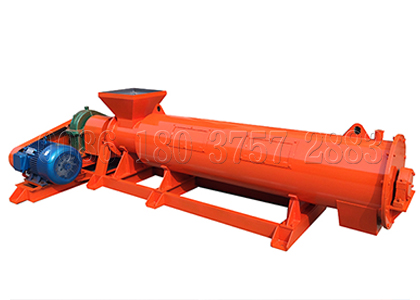
New type organic fertilizer pelletizer for wet granulation
Wet Granulators Versus Dry Granulators
The dry granulation process often uses a machine with mechanical compression components. Often referred to as slugs, these are used to facilitate the agglomeration of the material into pellet form. You may also be looking at dry granulation machines that use compaction. These typically use some form of roller in the production sequence. On the other hand, wet granulation is going to use some type of solvent or a binding agent in order to facilitate the agglomeration, typically a materials such as lignin. In both cases, the solidity of the pellets will be dependent upon the machine and materials used.
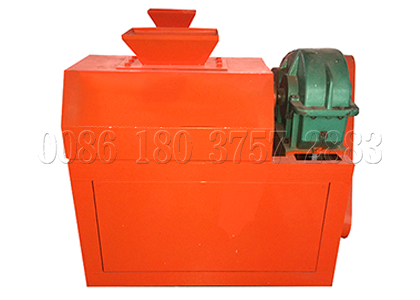
Double roller press dry granulation machine
Are There Advantages To Either One?
There are some advantages to using wet granulation machines. First of all, the granules that you will be using will often be more spherical, whereas dry machines will use a distinct powder. Wet machines will have a much better flow process as you are compressing everything into pellets. Wet machines also allow you to avoid extremely high pressures, which may help you can serve on the power you are using when activating these machines. Essentially, the main difference is that dry granulation does not involve the use of any liquids, whereas wet granulation does for it to work.
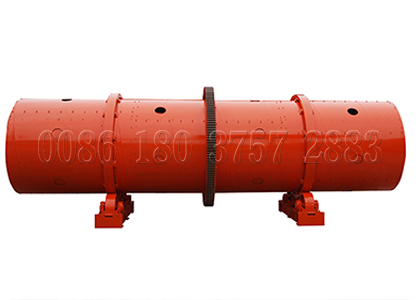
drum type wet granulator machine
Which One Should You Use For Your Business?
The one that you choose may be dependent upon how much money you have at your disposal. It also depends on the manufacturer and how much they are willing to charge. Additionally, the production value of the machines can factor into your final choice. It just depends on what you are trying to accomplish. For example, when you are using a dry granulator, it will involve the use of rollers that will compress the pellets together, forming a continuous sheet of pellets that can lead to millions of these been formed. When using a wet granulation machine, you must use some form of nonvolatile and non-toxic liquid binding agent which may involve the use of isopropanol, ethanol, or even mortar. If you are combining compost together, or if this is some type of lumber products to create pellets for a woodstove, the process is very similar. You simply have to contact each of the businesses that produces both wet and dry granulator determine what would work best with your materials.
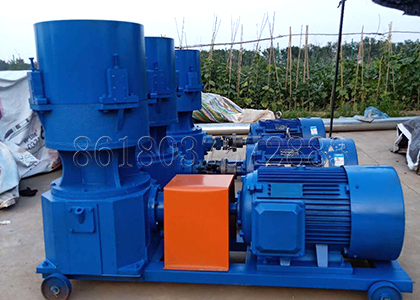
flat die peleting machine for dry granulation
Now that you have a better idea of how they work, and what the differences are, you can then make your choice. Whether you choose to use a wet granulator, or one that only uses dry materials, you must consider the process, components used, and the type of pellets you are producing. Eventually, you will locate a business that will have both types of machines and they can provide you with specifications for all of them. You will soon have one of these producing pellets for your business on an ongoing basis.
Wet vs. Dry Granulation Techniques in Biofertilizer Production: A Practical Comparison for New Manufacturers
December 8, 2025
biofertilizer granulation technology
Comments Off on Wet vs. Dry Granulation Techniques in Biofertilizer Production: A Practical Comparison for New Manufacturers
cs
In the biofertilizer industry, choosing the right granulation method—either wet granulation or dry granulation—plays a major role in determining pellet quality, production cost, and overall plant efficiency. Whether a producer is building a new biofertilizer pellets manufacturing line or upgrading existing equipment, understanding the difference between these two granulation technologies is essential. Below is a clear comparison to help new fertilizer investors make informed decisions.
1. What Is Wet Granulation in Organic Fertilizer Making?
Wet granulation is widely used in bio-organic fertilizer production, especially when working with composted manure, microbial inoculants, or humic-acid-based materials. The process involves adding liquid binders (water, microbial solution, or steam) to increase moisture and allow materials to agglomerate into round pellets.
Common equipment includes:
disc pelletizers (pan granulators)
rotary drum granulators
new-type organic fertilizer granulators
Wet granulation is known for producing spherical, uniform, and highly attractive granules, making it ideal for commercial organic fertilizers. However, because moisture increases during the process, the pellets must go through dryers and coolers, which add to energy consumption.
rotary drum granulation machine
2. What Is Dry Granulation for Biofertilizer Pellets?
Dry granulation—or press granulation, roller compaction, or extrusion granulation—forms pellets by compressing powder materials without adding additional moisture. It is commonly carried out using a double roller granulator (also called a compactor or extrusion granulator).
Key advantages include:
minimal energy consumption
no need for drying equipment
ideal for heat-sensitive probiotics or microbial biofertilizers
compact layout suitable for small or medium-scale plants
Dry granulation produces dense, oval or pillow-shaped pellets, which are mechanically strong but may be less uniform in appearance compared with wet granules.
3. Quality Differences and Application Preferences
Wet granulation is preferred when producers need:
round granules with high aesthetic value
pellets with adjustable nutrient release rates
strong binding capability for low-viscosity materials
Dry granulation is recommended for:
materials already containing natural moisture
microbial fertilizers requiring low-temperature processing
investors seeking a low-cost granulation line with fewer machines Click here to get more!
4. Cost and Equipment Considerations
Wet granulation lines require more machines—such as mixers, granulators, rotary dryers, coolers, and coating machines—which increases investment.
Dry granulation systems are simpler and often only need a crusher, mixer, roller press granulator, and screening machine, resulting in lower operational costs.
Conclusion
Both wet and dry granulation offer reliable ways to produce biofertilizer pellets, but the right choice depends on budget, raw materials, and product requirements. For manufacturers planning a new biofertilizer production line, understanding these technical differences helps optimize efficiency and achieve high-quality pellet output. If you want to know more, welcome to visit: https://www.biofertilizerproduction.com/product/bio-fertilizer-granulator/
dry granulator vs. wet granulator