
Tag: Carbon-Based Fertilizer Production
How Is a Pelletizer Used in the Production of Biochar from Chicken Manure?
In modern agricultural waste management, the utilization of chicken manure for carbon-based fertilizer production has become increasingly important. Chicken dung and other bird manure provide valuable nutrients and organic matter, making them suitable raw materials for char-based fertilizer preparation. The production procedure transforms these waste products into valuable carbon fertilizer granules, contributing to sustainable agriculture and environmental protection. Understanding how pelletizing machines operate in biochar manufacturing helps producers optimize efficiency and product quality.
What Raw Materials Can Be Processed into Carbon-Based Fertilizer Alongside Chicken Manure?
Chicken manure stands out as a primary feedstock for carbon-based fertilizer production due to its high organic content and rich nutrient profile. However, blending other raw materials with chicken dung improves the quality and function of biochar-based fertilizers. Users can select from a diverse range of organic substances including poultry litter, cow manure, pig manure, crop straw, sawdust, rice husks, and garden waste. Many producers combine chicken manure with these additional materials in powder or powdered form to adjust nutrient balance and enhance the final fertilizer’s structure. For optimal granulation, raw materials must undergo composting and thorough crushing, which ensures a fine powdery texture fit for granulator machines. This step not only stabilizes the manure but also prepares it for efficient pelletizing and carbonization.

Organic Fertilizer Raw Materials
How Does the Chicken Manure Processing Procedure Incorporate Pelletizing Equipment?
The chicken manure processing procedure comprises several critical stages, each supported by specialized fertilizer equipment. Initially, a compost machine enables aerobic fermentation of chicken dung, reducing pathogens and odors. After composting, a crushing machine or carbon fertilizer grinder machine breaks down the organic mass into uniform powder, which is essential for consistent granulation. At this point, the powdered chicken manure mixture is ready for the pelletizing phase. A pelletizer, such as a disc granulator or flat die granulator, transforms the powdery material into uniform pellets or granules through a combination of moisture control and mechanical force. The pelletizer’s design allows for efficient pellet making, minimizing material loss and dust generation. Particle size can be adjusted according to market requirements, ensuring the produced biochar-based fertilizer granules meet quality standards. Some operations may also utilize a double roller extrusion granulator or drum granulator for different pellet shapes and densities.

What Features of Pelletizers and Related Machines Optimize Biochar-Based Fertilizer Production?
Pelletizer machines used in chicken manure char-based fertilizer production offer several important features that enhance the manufacturing process. High granulation rate, adjustable pellet size, and robust construction characterize modern granulating equipment. The pelletizer’s integration with other machinery, such as a drying machine and carbonization equipment (furnace), ensures the granules achieve appropriate moisture content and are fully converted into stable biochar carbon fertilizer. Efficient pelletizing machinery supports continuous production, reduces labor costs, and improves pellet uniformity. Additionally, automated controls and durable materials extend equipment lifespan and minimize maintenance requirements. For finished products, a packing machine is often used to ensure biochar-based fertilizer granules are securely sealed and ready for market distribution.
Conclusion
In conclusion, the production of carbon-based fertilizer from chicken manure depends on a systematic process involving composting, crushing, granulation, drying, and packing. Pelletizer machines, supported by carbonization equipment and other fertilizer machines, play a central role in transforming powdery chicken dung into valuable granules for agricultural use. By carefully selecting raw materials and optimizing each manufacturing step, producers achieve high-quality biochar-based fertilizer products with consistent particle size and nutrient content. For those seeking advanced solutions in char-based fertilizer granulation, a professional fertilizer equipment manufacturer such as Yushunxin provides innovative pelletizing machinery and complete process support to ensure efficient and reliable chicken manure processing. You can visit: https://www.charbasedfertilizermachine.com/product/chicken-dung-and-biochar-as-fertilizer/
How to Transform Chicken Manure into Carbon-Based Fertilizer: Benefits and Production Processes?
How Does Biochar Granulating Enhance the Nutrient Value of Chicken Manure?
In the ever-evolving world of agriculture, the transformation of chicken manure into a valuable carbon-based fertilizer through biochar granulating presents a significant advancement. Chicken manure, with its rich nutrient composition, serves as an excellent primary raw material. However, to fully harness its potential, understanding the biochar granulating process is essential. This technique not only enhances the nutrient content but also improves the usability and efficiency of the resulting fertilizer.
What Raw Materials Are Suitable for Carbon-Based Fertilizer Production from Chicken Manure?
Chicken manure remains the cornerstone of carbon-based fertilizer production. Rich in nitrogen, phosphorus, and potassium, chicken dung is potent in promoting plant growth. Alongside chicken manure, straw, wood chips, and sawdust serve as excellent complementary materials. These materials, when carbonized, balance the nutrient content and enhance the structural integrity of the fertilizer granules. The carbonization equipment plays a pivotal role here, converting these organic materials into biochar, thereby enriching the powdered composition of the final product. By selecting the right combination of raw materials, producers can optimize the nutrient profile and structural properties of the fertilizer, ensuring it meets agricultural demands.

Chicken manure biofertilizer production line
How Does Granulating Enhance the Processing of Chicken Manure?
The granulation of chicken manure significantly refines its processing and application. Granulation machinery, such as disc granulators or flat die granulators, transforms powdered chicken manure and biochar into uniform pellets. By converting the raw materials into granules, the process makes the fertilizer easier to handle, store, and apply. Granulating further ensures that nutrients are evenly distributed within each pellet, maximizing their effectiveness when applied to soil. In addition, granulated fertilizers dissolve at a controlled rate, offering sustained nutrient release and minimizing wastage. This systematic approach not only enhances nutrient absorption but also optimizes the overall production procedure.
What Machine Features Are Essential for Effective Chicken Manure Granulation?
Efficiency in the granulation process hinges on the features of the machinery employed. Granulators should offer adjustable pellet size options, allowing producers to tailor the granule size to specific agricultural needs. Consistent particle size enhances nutrient availability and absorption. The incorporation of drying machines ensures that moisture content within the granules is controlled, preventing degradation or spoilage during storage. Additionally, a carbon fertilizer grinder machine is instrumental in preparing the powdered biochar and chicken manure mix, ensuring uniformity before the granulation process. Equipment with user-friendly interfaces and maintenance features enhances operational efficiency and longevity, making them indispensable in the competitive fertilizer production industry.
Why Invest in Advanced Equipment for Chicken Manure-Based Fertilizer Production?
Investing in advanced machinery for chicken manure-based fertilizer production offers numerous advantages. High-quality machines not only improve the efficiency and yield of the production process but also enhance the quality of the final product. From carbonization to granulating, each step benefits from precision engineering and innovation. As the demand for sustainable agricultural practices grows, leveraging technology becomes crucial. A professional fertilizer equipment manufacturer, such as Yushunxin, provides a comprehensive range of machines tailored to meet these specific needs. By investing in reliable equipment, producers can ensure the consistent production of high-quality carbon-based fertilizers, thereby contributing positively to agricultural productivity and environmental sustainability.
What Equipment Is Essential for Producing Char-Based Fertilizer from Chicken Manure?
Producing char-based fertilizer from chicken manure requires a strategic approach that involves understanding the necessary raw materials and the equipment essential for effective production. This process not only improves nutrient retention for plants but also contributes to sustainable waste management practices.
Which Raw Materials Are Suitable for Carbon-Based Fertilizer Production?
Carbon-based fertilizers typically rely on a combination of organic materials, with chicken manure emerging as a leading ingredient. In addition to chicken manure, other suitable raw materials include straw, wood chips, and coconut coir. Straw serves as an excellent source of carbon and can enhance the nutrient profile of the final fertilizer product. Wood chips, when combined with chicken manure, can accelerate the carbonization process, improving the overall effectiveness of the fertilizer. Coconut coir provides unique properties and helps maintain soil structure, making it a valuable addition to the mixture.
Understanding these materials aids in optimizing the production process. The right combination of chicken manure and carbon-rich materials ensures a balanced nutrient profile, leading to a high-quality char-based fertilizer that is both effective and efficient for use.

What Machines Are Needed for Char-Based Fertilizer Production?
The production of char-based fertilizer necessitates several specialized machines that work together to transform raw materials into granules. The first essential piece of equipment is the carbonization furnace. This machine plays a crucial role by converting chicken manure and carbon-rich materials into char through a high-temperature process. The ability to maintain specific temperature settings is vital for effective carbonization.
After carbonization, a crushing machine can reduce the size of the char produced. Breaking down char into smaller particles increases surface area, facilitating better mixing during the granulation phase. Following crushing, a granulator is necessary to form uniform granules. Granulators, such as disc granulators or rotary drum granulators, ensure that the final product achieves the desired size and consistency, which enhances its application and effectiveness.
How Does the Granulation Process Enhance Char-Based Fertilizer?
Granulation improves the physical properties of char-based fertilizers, resulting in easier application and a slower release of nutrients. The granulating machine works by agglomerating the crushed char with additional binders, ensuring that particles hold together and provide uniform distribution during usage. The use of a granulator enhances the product’s shelf life and prevents dust formation, which can be a challenge with finer powders.
Moreover, a drying machine is often included in the production line to ensure that moisture is adequately removed from the granules. This step is essential, as excess moisture can lead to clumping and reduce the granules’ shelf stability. Finally, a packing machine allows efficient packaging of the finished product, facilitating easy distribution and sale.
Conclusion
Producing char-based fertilizer from chicken manure involves several critical pieces of equipment, each serving a specific function in the production process. From carbonization to granulation, understanding the role of each machine ensures a streamlined operation that yields high-quality organic fertilizer. Manufacturers seeking to enhance their fertilizer production capabilities should consider exploring advanced machinery options tailored to carbon-based fertilizer production. Reputable suppliers in the industry, such as Yushunxin, offer a range of equipment designed for efficiency and effectiveness. For more information on optimizing char-based fertilizer production, consulting with professionals in the field can provide valuable insights and tailored solutions. You can visit: https://www.charbasedfertilizermachine.com/product/chicken-dung-and-biochar-as-fertilizer/
Why Choose Double Roller Extrusion for Carbon-Based Fertilizer?
The production of carbon-based fertilizers involves several critical steps, ensuring the final product meets the required quality and performance standards. Among the various granulation techniques available, double roller extrusion stands out for its efficiency and reliability. This blog delves into the reasons why double roller extrusion should be the preferred method for manufacturing carbon-based fertilizers, supported by examples of suitable raw materials and highlighting the features of this advanced technology.
What Raw Materials Are Suitable for Carbon-Based Fertilizer Production?
In the production of carbon-based fertilizers, selecting the appropriate raw materials is crucial for achieving optimal results. Common raw materials include biochar, humic acid, peat, lignite, and composted organic matter. Biochar, a form of charcoal used to enhance soil properties, is particularly beneficial due to its porous structure and high carbon content. Humic acid, derived from decomposed organic matter, improves nutrient uptake and soil health. Peat, although less sustainable, offers a rich source of organic carbon. Lignite, a type of coal, provides essential carbon content for the fertilizer. Composted organic matter, rich in essential nutrients and organic carbon, serves as an excellent base for carbon-based fertilizers.
Each of these raw materials contributes unique properties to the final fertilizer product. Biochar enhances soil structure; humic acid increases nutrient availability; peat and lignite supply essential carbon; and composted organic matter improves overall soil fertility. The combination of these materials ensures a balanced and effective carbon-based fertilizer suitable for a variety of agricultural applications.
Click here for more details.
What Machine Features Make Double Roller Extrusion Preferable for Carbon-Based Fertilizer Granulation?
Advanced features of the double roller extrusion machine make it an excellent choice for granulating carbon-based fertilizers. The machine’s robust design ensures a high output with minimal maintenance. Equipped with precise rollers, the granulator compresses the raw materials into uniform granules, enhancing the fertilizer’s effectiveness. The adjustable roller gap allows for the production of granules with varying diameters, catering to different agricultural needs.
Moreover, the double roller extrusion machine operates at lower temperatures compared to other granulation methods, preserving the integrity of heat-sensitive raw materials like humic acid and peat. This feature ensures that the nutrient content remains intact, providing maximum benefits to the soil and crops. Additionally, the machine’s energy-efficient operation reduces production costs, making it an economically viable option for fertilizer manufacturers.
Overall, the combination of high efficiency, flexibility in granule size, and energy-efficient operation positions the double roller press granulator as a superior choice for producing high-quality carbon-based fertilizers.
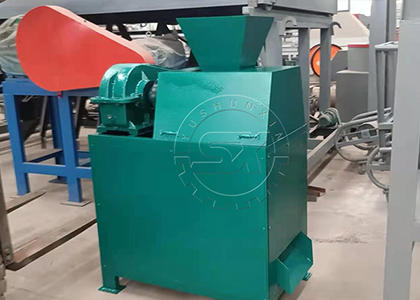
roller granulation machine
How Does Double Roller Extrusion Enhance the Production Process?
The double roller extrusion process significantly enhances the production of carbon-based fertilizers through its efficient and straightforward methodology. This granulation technique involves compressing raw materials between two counter-rotating rollers, forming granules without the need for additional drying or cooling stages. This streamlined process reduces production time and costs, leading to increased overall efficiency.
The uniform pressure applied during the extrusion process ensures the formation of consistent granules, improving the fertilizer’s application and effectiveness. The machine’s ability to handle a variety of raw materials without the need for extensive pre-processing further simplifies the production procedure. This versatility allows manufacturers to produce a wide range of carbon-based fertilizers tailored to specific agricultural requirements.
Furthermore, the double roller extrusion granulator‘s compact design minimizes the footprint of the production facility, making it suitable for both large-scale and small-scale operations. The reduced complexity of the production process also leads to lower labor costs, as fewer manual interventions are required.
Transition to Professional Machinery
Choosing the right equipment is pivotal in ensuring high-quality granule production. A professional fertilizer equipment manufacturer like Yushunxin offers state-of-the-art double roller extrusion machines designed to meet the diverse needs of carbon-based fertilizer production. Yushunxin’s machinery combines advanced technology with robust construction, ensuring reliable and efficient operation.
In conclusion, double roller extrusion presents numerous advantages for the granulation of carbon-based fertilizers. The method’s suitability for various raw materials, coupled with the advanced features of the machine, enhances the overall production process. By selecting a professional manufacturer such as Yushunxin, fertilizer producers can achieve superior product quality and operational efficiency, ultimately benefiting the agricultural sector. You can visit: https://www.charbasedfertilizermachine.com/product/double-roller-extrusion-granulator/
How Can Carbonization Equipment Turn Chicken Waste into High-Quality Fertilizer?
August 28, 2025
Carbon-Based Fertilizer Production, Carbon-Based Fertilizer Production from Chicken Manure, chemical fertilizer making
Comments Off on How Can Carbonization Equipment Turn Chicken Waste into High-Quality Fertilizer?
cs
Carbonization equipment offers a practical solution for the large amounts of chicken manure, bird dung, and poultry waste generated in modern farming. Unprocessed chicken waste often causes odor, environmental pollution, and nutrient loss. By applying carbonization technology, chicken manure transforms into carbon-based fertilizer with stable structure, high nutrient concentration, and long-term soil improvement benefits. During this procedure, different types of machinery cooperate to convert raw organic waste into uniform fertilizer powder, granules, or pellets. The entire processing line ensures safe preparation, effective treatment, and controlled fertilizer production.
What types of raw materials can support carbon-based fertilizer production from chicken manure?
Chicken manure always remains the core raw material for carbon fertilizer production. However, the use of additional organic and biomass materials ensures a better balance of carbon and nutrients. Many producers combine fresh chicken dung with crop straws, rice husks, sawdust, or peanut shells to improve the carbonization process. Bird manure mixed with wood chips or husk powder forms a more porous structure during carbonization, which enhances the quality of the final fertilizer.
For example, powdered corn stalk or bagasse assists the furnace in maintaining stable temperature and airflow. Mixing chicken litter with rice husk powder generates stronger carbon particles that resist breaking during granulation. Some producers also introduce animal dung from ducks, quails, or pigeons to increase organic matter content. These raw material combinations give operators flexibility to adjust fertilizer properties while ensuring that chicken waste remains the primary ingredient.
Organic Fertilizer Raw Materials
How does carbonization equipment process chicken manure into carbon fertilizer powder and granules?
The carbonization procedure involves several steps and specific machines. At the beginning, workers feed chicken manure and biomass mixtures into the carbonization furnace. The carbonization equipment heats the raw materials under controlled temperature and low oxygen, which produces carbon-rich particles instead of smoke or ash. The furnace reduces odor and pathogens, while creating powdered carbon fertilizer with stable nutrients.
After carbonization, the materials often appear as powder or small chunks. A crushing machine, for example a carbon fertilizer grinder machine for sale, refines the block into fine powder for easier mixing. This powdery structure provides a uniform base for later pelletizing. Granulation machines then play a central role. A disc granulator, flat die granulator, double roller extrusion granulator, or new type organic fertilizer granulator converts the powder into pellets or granules. Each granulator type offers different particle size and shape, but all ensure higher density and easier transportation.
Some plants also install a drying machine to reduce moisture from the granules, which strengthens their storage stability. Finally, an automatic packing machine completes the production procedure by sealing the granulated carbon fertilizer into bags, ready for distribution.
Why should producers consider integrated machinery solutions for chicken dung fertilizer production?
When chicken manure turns into carbon-based fertilizer, each machine in the line provides important support. The carbonization equipment determines nutrient stability, the crushing machine ensures powder uniformity, and the granulator decides particle quality. Without coordination, the procedure may create uneven granules, powder loss, or brittle pellets. By combining furnace, grinder, granulator, and auxiliary machines such as dryer and packer, producers achieve consistent fertilizer quality and high production efficiency.
An integrated production line also allows flexible adjustments. Operators can choose disc granulator for ball making of smaller granules, or they can select drum granulator for large-scale pelletizing. In every case, chicken dung transforms into marketable carbon fertilizer granules with precise particle size. Such flexibility directly benefits customers who require stable production, efficient procedure, and professional equipment support.
Conclusion
The transformation of chicken waste into high-quality carbon-based fertilizer always depends on the correct combination of raw materials, carbonization process, and machinery. Chicken manure mixed with biomass materials enters the carbonization furnace, then passes through crushing machines, granulators, dryers, and packing systems. Each stage strengthens the carbon fertilizer production procedure, converts powder into durable granules, and ensures long-term product stability.
For producers who expect reliable machine performance and professional guidance, a leading fertilizer equipment manufacturer such as Yushunxin provides complete solutions. With advanced carbonization equipment, efficient fertilizer grinder, and diverse granulation machinery, Yushunxin supports the full preparation, processing, and making of chicken dung carbon-based fertilizer. You can visit: https://www.charbasedfertilizermachine.com/product/chicken-dung-and-biochar-as-fertilizer/
Carbon-Based Fertilizer Productionchicken manure fertilizer production