
Category: chemical fertilizer making
How to Make Zeolite Granules in Rotary Drum Granulation Machine?
Zeolite is a versatile and highly sought-after mineral due to its unique molecular structure and various applications in industries such as agriculture, water treatment, and chemical manufacturing. Zeolite granules, formed through a granulation process, offer improved handling and application properties compared to their powdered counterparts. In this guide, we will explore the process of making zeolite granules using a rotary drum granulation machine, a widely used equipment for large-scale production.
Understanding the Rotary Drum Granulation Machine
The rotary drum granulation machine is a mechanical device specifically designed for the granulation of materials in a continuous and controlled manner. It consists of a rotating drum with internal lifting flights or agitators that tumble and mix the feed material while facilitating the granulation process. The machine operates based on the principles of agglomeration, where fine particles are bonded together to form larger, more durable granules.
Step 1: Preparing the Zeolite Feed
The first step in the granulation process is preparing the zeolite feed material. Zeolite, in its powdered form, is typically used as the starting material. It is essential to ensure that the zeolite powder is of consistent particle size and free from any contaminants or impurities that may hinder the granulation process. If necessary, the zeolite powder can be sieved or subjected to other pre-processing steps to meet the desired specifications.
Step 2: Adjusting the Granulation Parameters
To achieve optimal granulation results, it is crucial to adjust the granulation parameters of the rotary drum granulation machine. These parameters include drum speed, angle of inclination, residence time, and the addition of granulation aids or binders. The drum speed determines the intensity of the mixing and impact forces, while the angle of inclination influences the trajectory and movement of the zeolite particles within the drum. The residence time determines how long the zeolite particles are exposed to the granulation process.
Step 3: Adding Binders or Granulation Aids
In some cases, the addition of binders or granulation aids may be necessary to improve the agglomeration of zeolite particles and enhance the strength of the resulting granules. Binders can be organic or inorganic materials that act as adhesive agents, promoting the binding of zeolite particles. Granulation aids, on the other hand, can include liquids or powders that aid in the granulation process by providing lubrication or promoting particle adhesion.
Step 4: Granulation Process
Once the granulation parameters have been set and any necessary binders or granulation aids have been added, the rotary drum granulation machine can be started. The drum’s rotation causes the zeolite particles to collide, tumble, and mix, resulting in the formation of granules. The impact forces generated during the process facilitate the agglomeration of the zeolite particles, leading to the growth of granules. The residence time within the drum allows the granules to solidify and reach the desired size and strength.
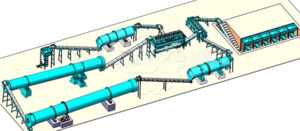
rotary drum granulator production line
Step 5: Drying and Cooling
After the granulation process is complete, the newly formed zeolite granules are typically moist and require drying and cooling. Drying removes the excess moisture from the granules, ensuring their stability and preventing degradation during storage. Cooling the granules helps to reduce their temperature and minimize the risk of caking or agglomeration during subsequent handling or packaging processes.
Step 6: Sieving and Packaging
The final step in the production of zeolite granules involves sieving the dried and cooled granules to remove any oversized or undersized particles, ensuring uniformity in size. The granules are then ready for packaging, which can be done in various forms such as bags, drums, or bulk containers, depending on the intended application.
Conclusion
Zeolite granules produced through rotary drum granulation offer enhanced handling, improved flow properties, and controlled release characteristics, making them ideal for a wide range of applications. By following the steps outlined in this guide and carefully adjusting the granulation parameters, it is possible to produce high-quality zeolite granules that meet specific requirements and deliver superior performance in various industries.
How to generate your own organic fertiliser from poultry waste and farm waste
Generating your own organic fertilizer from poultry waste and farm waste is not only an eco-friendly solution but also a cost-effective way to enrich your soil and enhance the overall health of your plants. By harnessing the nutrient-rich properties of these waste materials, you can create a sustainable and self-sufficient system that promotes a healthier environment. In this article, Shunxin will explore the steps involved in generating your own organic fertilizer from poultry waste and farm waste.

pan granulator for poultry manure fertilizer making
The first step in the process is to gather the necessary materials. You will need poultry waste, such as chicken manure, along with farm waste, such as crop residues, grass clippings, and leftover plant material. It is important to ensure that the poultry waste is collected from healthy birds and that no antibiotics or chemicals have been administered to them. Similarly, the farm waste should be free from pesticides and herbicides.
Once you have collected the waste materials, the next step is to compost them. Composting is a natural decomposition process that converts organic matter into nutrient-rich humus. Start by creating a compost pile in a suitable location. Make sure the area receives adequate sunlight and is well-drained. Layer the poultry waste and farm waste, alternating between dry and wet materials. Dry materials can include straw, sawdust, or dried leaves, while wet materials encompass green plant trimmings and poultry manure.

Small scale compound fertilizer mkaing line
To accelerate the decomposition process, it is advisable to turn the compost pile regularly. This helps to introduce oxygen, which is essential for the growth of beneficial bacteria and other microorganisms that break down the organic matter. Additionally, ensure that the compost pile remains moist but not overly wet. If the compost becomes too dry, sprinkle water to maintain the proper moisture level.
Over time, the compost pile will heat up as a result of microbial activity. This is an indication that the decomposition process is underway. Regularly check the temperature of the compost pile with a thermometer, aiming for a range between 130°F and 150°F (54°C and 65°C). If the temperature exceeds this range, turn the pile more frequently to cool it down. On the other hand, if the temperature remains too low, consider adding nitrogen-rich materials, such as grass clippings or poultry manure, to boost the decomposition process.
The composting process typically takes several weeks to several months, depending on various factors such as temperature, moisture, and the size of the compost pile. During this time, monitor the compost for any foul odors. A well-maintained compost pile should have an earthy smell, while unpleasant odors may indicate an imbalance in the composting process. Adjust the carbon-to-nitrogen ratio by adding more dry or wet materials accordingly.

Organic fertilizer granulating machine for sale
Once the compost has fully decomposed, it will resemble dark, crumbly soil and emit a pleasant earthy aroma. At this stage, it is ready to be used as organic fertilizer. Spread the compost over your garden beds or mix it with potting soil for potted plants. The nutrient-rich organic matter will improve soil structure, retain moisture, and provide essential nutrients to your plants, promoting their growth and productivity.
By generating your own organic fertilizer from poultry waste and farm waste, you not only reduce the amount of waste that goes to landfills but also create a sustainable source of nutrients for your plants. This practice promotes a circular economy where waste is transformed into valuable resources. Start composting today and reap the benefits of healthier plants, reduced environmental impact, and increased self-sufficiency in your gardening endeavors.
Now, check our website for more about organic fertilizer production and get an affordable fertilizer production line!
How to make cow manure compost
Composting is a great way to turn organic waste into nutrient-rich soil. One common material used for composting is cow manure. Cow manure is a rich source of nitrogen, phosphorus, and potassium, making it an ideal ingredient for compost. In this article, we’ll discuss the steps involved in making cow manure compost.

cow dung compost
Step 1: Collecting the cow manure The first step in making cow manure compost is to collect the cow manure. You can collect it from a local farm or buy it from a garden center. Make sure that the cow manure is well-aged and has been stored for at least six months. Fresh cow manure is too strong and can burn plants, so it’s important to let it age before using it in compost.
Step 2: Preparing the compost pile The next step is to prepare the compost pile. You can use a compost turner or create a compost pile on the ground. If you’re using a compost turner, make sure it’s at least 3 feet wide, 3 feet deep, and 3 feet tall. This will ensure that there’s enough space for the cow manure to decompose properly.

cow dung compost
Step 3: Adding the cow manure Once the compost pile is ready, it’s time to add the cow manure. Spread a layer of cow manure on the bottom of the compost pile, making sure it’s evenly distributed. Then add a layer of dry leaves or straw on top of the cow manure. This will help balance the nitrogen-rich cow manure with carbon-rich material.
Step 4: Turning the compost pile After adding the cow manure and dry leaves, it’s time to turn the compost pile. This is an important step as it helps to mix the ingredients and ensure that the compost decomposes evenly. Use a cow dung compost turner to turn the compost pile every few weeks. Make sure to mix the outer layer with the inner layer to speed up the composting process.
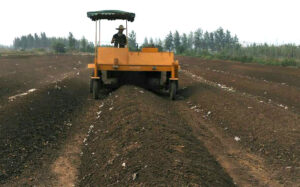
windrow compost turner for cow dung compost
Step 5: Watering the compost pile Cow manure compost needs to be kept moist, but not too wet. Water the compost pile regularly to keep it moist. If the compost pile is too wet, it can become anaerobic, which can slow down the decomposition process. Aim for a moisture content of around 50%.
Step 6: Checking the temperature of the compost pile As the cow manure compost decomposes, it will generate heat. Check the temperature of the compost pile regularly using a compost thermometer. The ideal temperature for composting cow manure is between 120 and 150 degrees Fahrenheit. If the temperature is too low, the compost pile may not decompose properly. If the temperature is too high, it can kill the beneficial microorganisms that break down the compost.
Step 7: Harvesting the compost After several weeks or months, the cow manure compost will be ready to use. The compost will be dark brown and crumbly, with a rich earthy smell. Use a garden fork to harvest the compost from the bottom of the pile. Spread the compost over your garden beds or mix it with potting soil to enrich it with nutrients.
In conclusion, making cow manure compost is a simple process that requires a little patience and effort. By following these steps, you can turn cow manure into a nutrient-rich soil amendment that will benefit your plants and the environment.
Of course, you can check this page for more details about how to make cow manure compost!
How To Use Goat Manure As Fertilizer?
Goat manure is an excellent source of organic fertilizer. It is rich in nutrients that are essential for plant growth and development. Using goat manure as fertilizer is an excellent way to improve soil fertility and increase crop yields. In this essay, we will discuss how to use goat manure as fertilizer effectively.
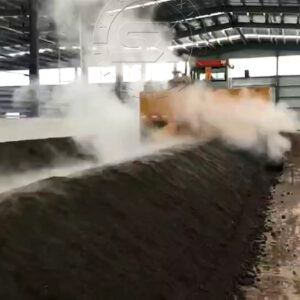
windrow type composting machine for sale
Before using goat manure as fertilizer, it is essential to understand the properties of the manure. Fresh goat manure is high in nitrogen and phosphorus but low in potassium. Therefore, it is best to age the manure before using it as fertilizer. Aged goat manure is less potent but contains a balanced mix of nitrogen, phosphorus, and potassium.
The first step in making goat manure fertilizer is to collect the manure. You can collect goat manure from your own goats or purchase it from a local farmer. It is essential to collect only fresh manure and not the bedding or other materials in the goat pen.
Once you have collected the manure, you need to age it before using it as fertilizer. To age goat manure, spread it out in a pile or bin and allow it to decompose naturally. The aging process can take anywhere from a few weeks to several months, depending on the weather and other conditions. During the aging process, the manure will break down, and beneficial microorganisms will develop, which will help to enrich the soil.
After the goat manure has aged, you can use it as fertilizer. One of the best ways to use goat manure as fertilizer is to mix it into the soil. To do this, spread the aged manure over the soil and till it in with a garden fork or tiller. This will help to distribute the nutrients evenly throughout the soil, which will improve soil fertility and promote healthy plant growth.
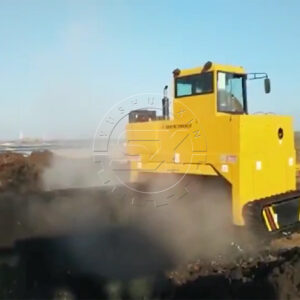
organic fertilizer making machine for sale
Another way to use goat manure as fertilizer is to make a tea. To make goat manure tea, fill a large bucket or container with aged goat manure and add water. Let the mixture sit for a few days, stirring occasionally. The water will become infused with the nutrients from the manure, creating a potent liquid fertilizer. Use this tea to water your plants and vegetables, which will provide them with a boost of essential nutrients.
Finally, you can use goat manure as a top dressing for your plants. This involves sprinkling the aged manure on top of the soil around your plants. As the manure decomposes, it will release nutrients into the soil, which will benefit your plants. This method is especially useful for plants that require a lot of nutrients, such as tomatoes, peppers, and cucumbers.
When using goat manure as fertilizer, it is important to avoid using too much. Excessive amounts of nitrogen can burn plants and damage the soil. It is best to start with small amounts and gradually increase the dosage as needed. It is also important to avoid using fresh goat manure as fertilizer. Fresh manure can contain harmful bacteria and pathogens that can infect plants and cause health problems for humans.
In conclusion, goat manure is an excellent source of organic fertilizer that can help to improve soil fertility and increase crop yields. Before using goat manure as fertilizer, it is essential to age it and understand its properties. You can use goat manure as fertilizer by mixing it into the soil, making a tea, or using it as a top dressing. By following these simple steps, you can use goat manure to improve the health and productivity of your garden or farm.
You can check our website to pick this one you like!
poultry manure drying machine
Poultry manure drying machine is a type of equipment used for drying poultry manure, which is one of the most commonly used organic fertilizers in agriculture. Poultry manure contains a lot of nitrogen, phosphorus, potassium, and other trace elements, which can provide nutrients for crops and improve soil fertility. However, the moisture content of fresh poultry manure is high, which can easily cause environmental pollution and reduce the fertilizer efficiency. Therefore, it is necessary to dry the poultry manure before use.

Poultry manure drying machine can effectively solve the problem of poultry manure drying. The machine is designed with a special structure, which can quickly and efficiently remove the moisture in the manure and make it into a dry and granular form, which is easy to store and transport. The poultry manure drying machine has many advantages, including high efficiency, low energy consumption, and environmental protection.
The poultry manure drying machine has a unique design that allows it to dry the poultry manure quickly and evenly. The machine is equipped with a high-speed rotating drum, which can continuously stir the manure and break it up into small particles. At the same time, hot air is blown into the drum to evaporate the moisture in the manure. The machine also has a temperature control system, which can automatically adjust the temperature of the hot air to ensure that the manure is dried at the appropriate temperature.
The poultry manure drying machine has a high efficiency in drying poultry manure. Compared with traditional drying methods, such as sun drying and air drying, the poultry manure drying machine can significantly reduce the drying time and improve the drying efficiency. The machine can dry the poultry manure to a moisture content of less than 15%, which meets the requirements of most fertilizer production processes.
The poultry manure drying machine is also energy-efficient. The machine uses a special heat source, such as biomass or natural gas, to provide the heat energy needed for drying. Compared with traditional drying methods that rely on sunlight or electric heating, the poultry manure drying machine can save a lot of energy and reduce the cost of production. At the same time, the machine has a low emission of pollutants and does not produce harmful gases, which can effectively protect the environment.

In addition, the poultry manure drying machine has a wide range of applications. In addition to drying poultry manure, the machine can also be used to dry other organic materials, such as cow dung, pig manure, and sewage sludge. The dried materials can be used as organic fertilizers, fuel, or feed.
In conclusion, the poultry manure drying machine is an essential equipment for modern agriculture. It can effectively solve the problem of poultry manure drying, reduce environmental pollution, and improve fertilizer efficiency. The machine has many advantages, including high efficiency, low energy consumption, and environmental protection. With the development of agriculture, the poultry manure drying machine will play an increasingly important role in promoting sustainable agriculture and protecting the environment.
As a supplier of fertilizer making machine, we offer several hot types of poultry manure drying machines. You can check our website to pick this one you like!
Cow Waste Treatment Plant
Large dairy operations produce waste, processed and managed in specialized facilities known as cow waste treatment plants. They are made to lessen the negative effects of cow waste on the environment and to encourage resource conservation. This blog post will discuss the value of cow waste treatment facilities, various approaches to treating cow waste, and the advantages of purchasing a cow waste treatment facility.
windrow type composting machine for sale
Why Are Cow Waste Treatment Plants Important?
A significant contributor to environmental damage and pollution is cow waste. It has high concentrations of nitrogen, phosphorus, and other nutrients that can contaminate surface water and groundwater supplies and cause eutrophication in aquatic ecosystems. In addition, methane and other greenhouse gases are released into the atmosphere by cow waste, which accelerates global warming.
Cow waste must be properly managed in order to have a minimal negative environmental impact. Cow manure composting facilities are here to help with this. These facilities are made to process cow waste while minimizing its negative environmental effects by removing harmful pollutants and turning them into beneficial products.
Methods of Cow Waste Treatment
There are several methods used to treat cow waste, including:
- Anaerobic digestion: This method involves dissolving cow manure without the presence of oxygen in order to create biogas, a mixture of methane and carbon dioxide. By replacing fossil fuels with biogas, which is a renewable energy source, greenhouse gas emissions can be decreased.
- Composting: This is the process of turning organic matter into compost, a rich, soil-like substance. A beneficial soil amendment, compost can be used to increase soil fertility, stop erosion, and encourage plant growth.
- Lagooning:This method involves putting cow waste in sizable, open-air lagoons. Bacteria and other organisms naturally break down the waste over time, lessening its impact on the environment.

Commercial making composting machine is help you to dispose the raw materials into fertilizer with commercial vaule.
Benefits of Investing in a Cow Waste Treatment Plant
Investing in a cow waste treatment plant has numerous benefits, including:
- Environmental Protection: By treating cow waste properly, cow waste treatment plants reduce the environmental impact of cow waste and promote sustainable resource use.
- Renewable Energy: Through the production of biogas, cow waste treatment plants can generate renewable energy that can replace fossil fuels, reducing greenhouse gas emissions.
- Soil Fertility: Compost produced by cow waste treatment plants is a valuable soil amendment that can improve soil fertility, reduce erosion, and promote plant growth.
- Cost Savings: By treating cow waste properly, cow waste treatment plants can reduce the cost of managing cow waste and promote the sustainable use of resources.
Conclusion
Cow waste treatment plants are important facilities that play a critical role in reducing the environmental impact of cow waste and promoting sustainable resource use. By investing in a cow waste fertilizer making plant, dairy operations can protect the environment, generate renewable energy, improve soil fertility, and reduce the cost of managing cow waste. Whether you are a large dairy operation or a small family farm, investing in a cow waste treatment plant is a smart decision that will benefit you and the environment for years to come.
You can check this page for more about !
https://www.manuremanagementplan.com/
How To Starting A Compound Fertilizer Plant
Creating a great compound fertilizer production line is very important when you want to produce extra high quality compound fertilizer you need for your customers. But creating a suitable compound fertilizer production line takes time and effort, and it can have its fair share of challenges. Which brings the question, what can you do to ensure everything is in place?
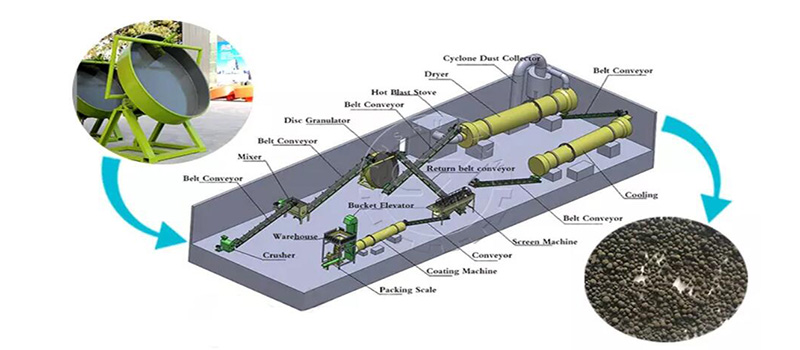
Small scale compound fertilizer mkaing line
Find a great source of raw materials
You want to work closely with people that make the complex fertilizer or you can do that on your own. That means acquiring chemical materials from various facilities. Contacting them and creating a lasting relationship with them is crucial and it will help bring in a very good result all the time. Then you can start your own compound fertilizer manufacturing business.
Identify the best plant location
These compound fertilizer production lines need to be away from residential areas, since you are generating a lot of noise. On top of that, the smell might not be ideal in residential areas either, something to think about.
Transportation is important
You will need to transport chemical material to the plant and also send the fertilizer to customers. So yes, the compound fertilizer production plant also needs transportation that ensures everything will work as expected. All the little things matter and you really need to take that into account for the best possible results and experience you can access out there. Click here to know more
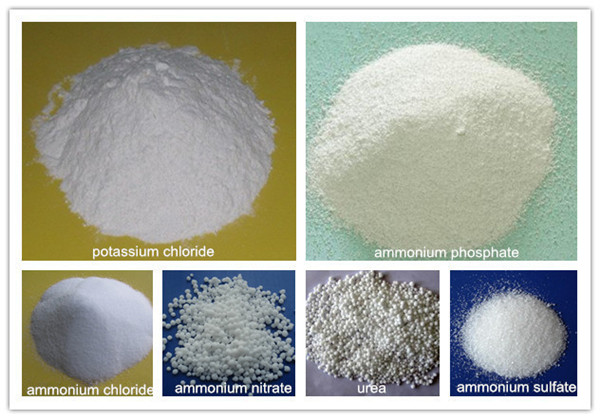
what can be used in compound fertilizer production
Buy the best machines
Fertilizer machines vary when it comes to what they do and their importance. But you do want to invest in the best possible complex fertilizer equipment, as that’s what will provide you with a very good product quality all the time. In doing so, you will be very happy with the results and you can also customize the compound fertilizer production line. That’s great since it helps save time and effort, while also integrating all the necessary features that you need. SX can provide you with customerization service of complex fertilizer making system
All the little things matter when it comes to creating a compound fertilizer production line. That’s why we believe it’s crucial to take all these things into account and ensure that they are managed at the right level. Of course it takes some trial and error to do it right, but that’s what happens when you create a great compound fertilizer production line. And in the end, if will help convey incredible benefits and a wonderful experience as you start your compound fertilizer production company and deliver compound or npk fertilizer to customers. If you want to learn more about compoun fertilizer production, you can visit https://fertilizerequipmentmanufacturer.com/compound-fertilizer-production-line/
How Can Carbonization Equipment Turn Chicken Waste into High-Quality Fertilizer?
August 28, 2025
Carbon-Based Fertilizer Production, Carbon-Based Fertilizer Production from Chicken Manure, chemical fertilizer making
Comments Off on How Can Carbonization Equipment Turn Chicken Waste into High-Quality Fertilizer?
cs
Carbonization equipment offers a practical solution for the large amounts of chicken manure, bird dung, and poultry waste generated in modern farming. Unprocessed chicken waste often causes odor, environmental pollution, and nutrient loss. By applying carbonization technology, chicken manure transforms into carbon-based fertilizer with stable structure, high nutrient concentration, and long-term soil improvement benefits. During this procedure, different types of machinery cooperate to convert raw organic waste into uniform fertilizer powder, granules, or pellets. The entire processing line ensures safe preparation, effective treatment, and controlled fertilizer production.
What types of raw materials can support carbon-based fertilizer production from chicken manure?
Chicken manure always remains the core raw material for carbon fertilizer production. However, the use of additional organic and biomass materials ensures a better balance of carbon and nutrients. Many producers combine fresh chicken dung with crop straws, rice husks, sawdust, or peanut shells to improve the carbonization process. Bird manure mixed with wood chips or husk powder forms a more porous structure during carbonization, which enhances the quality of the final fertilizer.
For example, powdered corn stalk or bagasse assists the furnace in maintaining stable temperature and airflow. Mixing chicken litter with rice husk powder generates stronger carbon particles that resist breaking during granulation. Some producers also introduce animal dung from ducks, quails, or pigeons to increase organic matter content. These raw material combinations give operators flexibility to adjust fertilizer properties while ensuring that chicken waste remains the primary ingredient.
Organic Fertilizer Raw Materials
How does carbonization equipment process chicken manure into carbon fertilizer powder and granules?
The carbonization procedure involves several steps and specific machines. At the beginning, workers feed chicken manure and biomass mixtures into the carbonization furnace. The carbonization equipment heats the raw materials under controlled temperature and low oxygen, which produces carbon-rich particles instead of smoke or ash. The furnace reduces odor and pathogens, while creating powdered carbon fertilizer with stable nutrients.
After carbonization, the materials often appear as powder or small chunks. A crushing machine, for example a carbon fertilizer grinder machine for sale, refines the block into fine powder for easier mixing. This powdery structure provides a uniform base for later pelletizing. Granulation machines then play a central role. A disc granulator, flat die granulator, double roller extrusion granulator, or new type organic fertilizer granulator converts the powder into pellets or granules. Each granulator type offers different particle size and shape, but all ensure higher density and easier transportation.
Some plants also install a drying machine to reduce moisture from the granules, which strengthens their storage stability. Finally, an automatic packing machine completes the production procedure by sealing the granulated carbon fertilizer into bags, ready for distribution.
Why should producers consider integrated machinery solutions for chicken dung fertilizer production?
When chicken manure turns into carbon-based fertilizer, each machine in the line provides important support. The carbonization equipment determines nutrient stability, the crushing machine ensures powder uniformity, and the granulator decides particle quality. Without coordination, the procedure may create uneven granules, powder loss, or brittle pellets. By combining furnace, grinder, granulator, and auxiliary machines such as dryer and packer, producers achieve consistent fertilizer quality and high production efficiency.
An integrated production line also allows flexible adjustments. Operators can choose disc granulator for ball making of smaller granules, or they can select drum granulator for large-scale pelletizing. In every case, chicken dung transforms into marketable carbon fertilizer granules with precise particle size. Such flexibility directly benefits customers who require stable production, efficient procedure, and professional equipment support.
Conclusion
The transformation of chicken waste into high-quality carbon-based fertilizer always depends on the correct combination of raw materials, carbonization process, and machinery. Chicken manure mixed with biomass materials enters the carbonization furnace, then passes through crushing machines, granulators, dryers, and packing systems. Each stage strengthens the carbon fertilizer production procedure, converts powder into durable granules, and ensures long-term product stability.
For producers who expect reliable machine performance and professional guidance, a leading fertilizer equipment manufacturer such as Yushunxin provides complete solutions. With advanced carbonization equipment, efficient fertilizer grinder, and diverse granulation machinery, Yushunxin supports the full preparation, processing, and making of chicken dung carbon-based fertilizer. You can visit: https://www.charbasedfertilizermachine.com/product/chicken-dung-and-biochar-as-fertilizer/
Carbon-Based Fertilizer Productionchicken manure fertilizer production