
Tag: dry granulation
Compared To Wet Granulator, What Are Benefits Of The Dry Granulation Machines?
If you are not sure what type of granulator would be best suited for your business, you may be looking at both wet and dry models. Those that use wet materials are able to handle the moisture, whereas the dry ones, which are very common, need to use dry powder. The production capabilities of each one, and the types of materials that you can use, can all vary significantly depending upon what type of pellets you are manufacturing. If you are creating the fertilizer pellets, you will likely need to consider whether or not a wet or dry granulator is best suited for the compost that you are using.
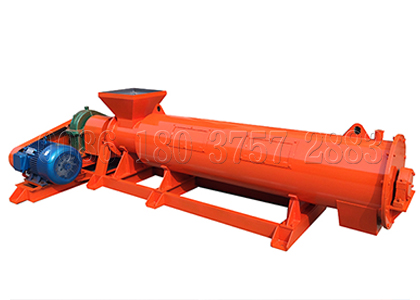
New type organic fertilizer pelletizer for wet granulation
Wet Granulators Versus Dry Granulators
The dry granulation process often uses a machine with mechanical compression components. Often referred to as slugs, these are used to facilitate the agglomeration of the material into pellet form. You may also be looking at dry granulation machines that use compaction. These typically use some form of roller in the production sequence. On the other hand, wet granulation is going to use some type of solvent or a binding agent in order to facilitate the agglomeration, typically a materials such as lignin. In both cases, the solidity of the pellets will be dependent upon the machine and materials used.
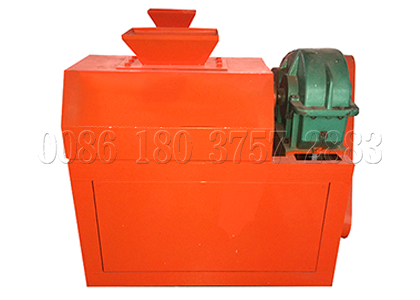
Double roller press dry granulation machine
Are There Advantages To Either One?
There are some advantages to using wet granulation machines. First of all, the granules that you will be using will often be more spherical, whereas dry machines will use a distinct powder. Wet machines will have a much better flow process as you are compressing everything into pellets. Wet machines also allow you to avoid extremely high pressures, which may help you can serve on the power you are using when activating these machines. Essentially, the main difference is that dry granulation does not involve the use of any liquids, whereas wet granulation does for it to work.
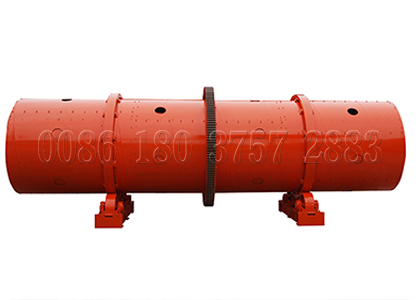
drum type wet granulator machine
Which One Should You Use For Your Business?
The one that you choose may be dependent upon how much money you have at your disposal. It also depends on the manufacturer and how much they are willing to charge. Additionally, the production value of the machines can factor into your final choice. It just depends on what you are trying to accomplish. For example, when you are using a dry granulator, it will involve the use of rollers that will compress the pellets together, forming a continuous sheet of pellets that can lead to millions of these been formed. When using a wet granulation machine, you must use some form of nonvolatile and non-toxic liquid binding agent which may involve the use of isopropanol, ethanol, or even mortar. If you are combining compost together, or if this is some type of lumber products to create pellets for a woodstove, the process is very similar. You simply have to contact each of the businesses that produces both wet and dry granulator determine what would work best with your materials.
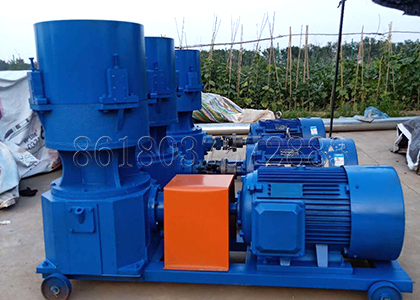
flat die peleting machine for dry granulation
Now that you have a better idea of how they work, and what the differences are, you can then make your choice. Whether you choose to use a wet granulator, or one that only uses dry materials, you must consider the process, components used, and the type of pellets you are producing. Eventually, you will locate a business that will have both types of machines and they can provide you with specifications for all of them. You will soon have one of these producing pellets for your business on an ongoing basis.
Wet Granulation vs Dry Granulation: Which Fertilizer Production Method Fits Your Project
September 14, 2026
20 t/h chicken manure fertilizer prouduction line cost, Animal manure management, compost fertilizer production, fertilizer equipment, Fertilizer Granulating Machine, fertilizer granulator, fertilizer making machine, fertilizer processing, fertillizer production line, Organic Fertilizer Production, Organic Fertilizer Production Line, organic fertilizer production machine
Comments Off on Wet Granulation vs Dry Granulation: Which Fertilizer Production Method Fits Your Project
cs
When you plan a fertilizer production project, choosing between wet granulation and dry granulation can influence your equipment configuration, production process, and final product characteristics.
Both methods have their own application scenarios. Your choice can depend on your raw materials, fertilizer formula, production capacity, and product requirements. Understanding the differences helps you communicate more clearly with your equipment supplier and develop a suitable production solution.
How Wet Granulation Works
Wet granulation uses moisture, binders, or liquid additives to help powder materials form into granules. During the process, materials are mixed, granulated, dried, cooled, screened, and prepared for packaging.
A wet process fertilizer granulation system can be suitable when your raw materials need additional moisture and shaping during granule formation. This process is commonly used for producing round and uniform fertilizer particles.
For example, a complete fertilizer project may include mixing equipment, granulators, dryers, coolers, screening machines, and coating systems. The additional processing stages can help improve granule stability and appearance.
How Dry Granulation Works
Dry granulation forms fertilizer particles mainly through mechanical pressure without adding large amounts of moisture. Powder materials are compressed into sheets or compacted shapes and then processed into granules.
A dry granulation fertilizer production line can be considered for materials with suitable compressibility and lower moisture requirements.
Compared with wet granulation, dry granulation may have a shorter process route because drying and cooling sections may be reduced depending on the material characteristics. This can influence energy consumption and equipment layout.
double roller pelletizing equipment
Compare Investment and Equipment Requirements
When choosing a granulation method, you may also consider your investment plan, production scale, and operating conditions.
Many customers ask how much does a fertilizer granulator cost because they want to understand the relationship between equipment selection and project budget. The final investment depends on factors such as production capacity, supporting equipment, automation level, and raw material properties.
For larger fertilizer projects, an automatic fertilizer granulation plant can integrate feeding, processing, control, and packaging systems to improve production management.
Selecting the Right Solution for NPK Production
For compound fertilizer manufacturers, the granulation method influences the complete production workflow. An NPK fertilizer production and granulation line may combine raw material batching, mixing, granulation, drying, cooling, screening, and packaging according to your production goals.
Wet and dry granulation are not simply alternatives; each method can match different materials and business requirements. Evaluating your product type, market demand, and future expansion plans helps you select a more suitable production route.
Click here for more details to explore more fertilizer granulation solutions.
Build a Fertilizer Production Solution That Matches Your Needs
Your ideal granulation method depends on your raw materials, desired fertilizer products, capacity targets, and investment considerations. By comparing wet and dry granulation technologies, you can better understand which solution fits your project.
For more information about fertilizer granulation plants and equipment solutions, you can visit https://www.shunxin.eu/fertilizer-granulation-plant/
Automatic Fertilizer Productiondry granulationFertilizer Granulation Equipmentfertilizer granulation plantFertilizer GranulatorFertilizer ManufacturingFertilizer Plant Designfertilizer production lineGranulation TechnologyNPK fertilizer productionwet granulation